
Hysteria
with Molly Pease and Divya Maus
Sunday, May 17th
7pm - 9pm
A Synchromy and Resonance Collective Co-Production
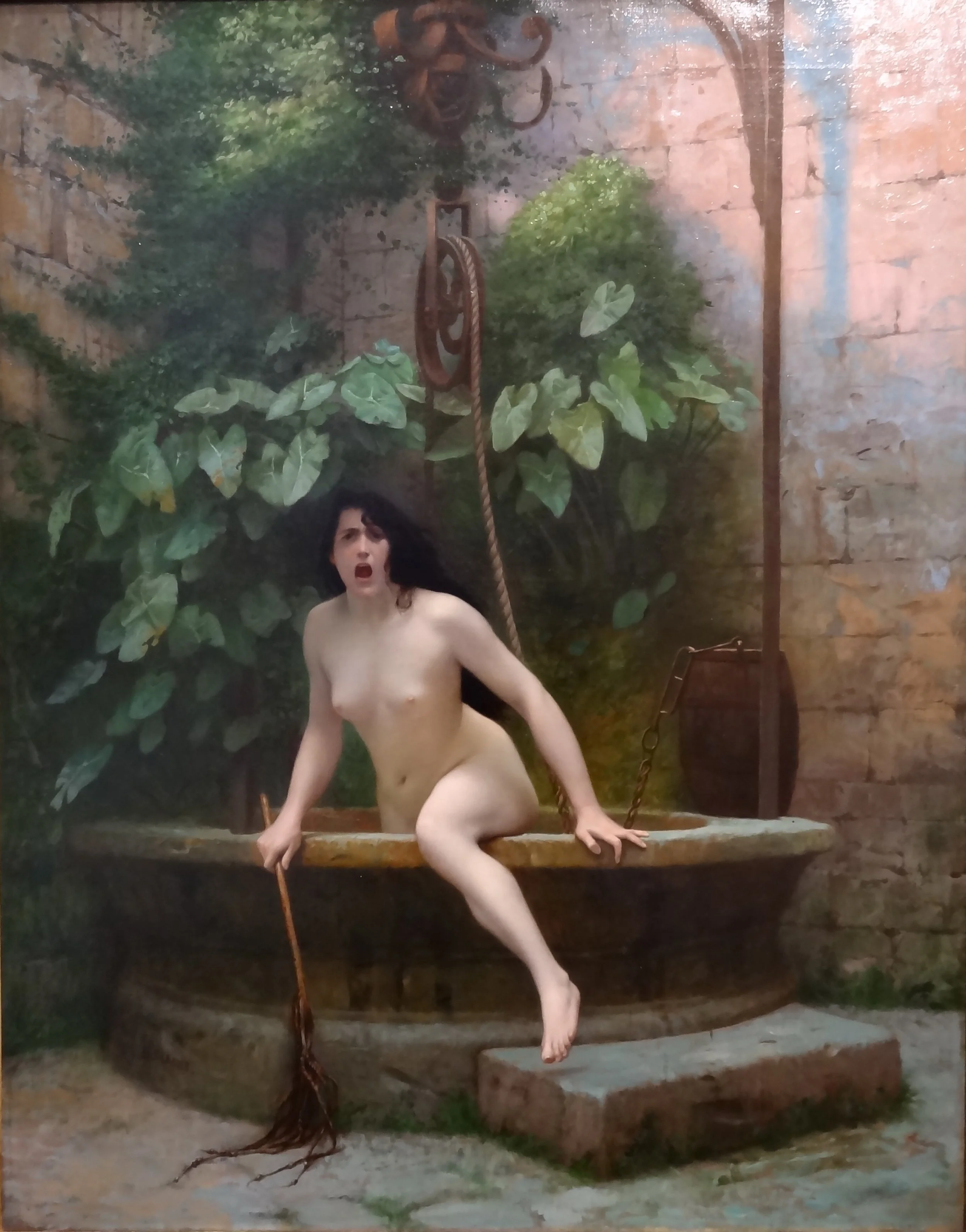
HYSTERIA is a rage-comic opera exploring women’s mental health through the lens of medicine, feminist fiction, reality TV, and the personal lives of the writers.
At the 1909 New York Symposium on Hysteria, the Neuroticist –a world-renowned psychoanalyst– presents four of his patients in a ground-breaking new lecture: Cherie, an unwed mother; Kate, a wife suffering from hallucinations; Ameeta, a mother anxious to marry off her adult son; and Mona, an architect struggling to appease her commissioners. Each is trapped in a scene that pushes her to ‘hysteria,’ a syndrome the Neuroticist aims to cure. However, a specter haunts his demonstrations, stoking the women’s fury and leading to a final confrontation—a contest of the gods, and the birthplace of our fury.
-
The word hysteria comes from the greek Hystera, meaning womb. Originally an exclusively female malady, different societies have labeled women as hysterical for nearly 4000 years with the first written use of the term appearing in ancient Egypt followed by ancient Greece. It was only in the 18th century with the beginning of Western psychiatry that it became a formal diagnosis, again almost exclusively for women, to describe a wide array of “neurosis’’. Symptoms might include anxiety, shortness of breath, fainting, nervousness, insomnia, irritability, loss of libido – but also sexually impulsive behavior – and a "tendency to cause trouble for others”. Unsurprisingly, it was considered, among the men of the era, a common and chronic issue for women.
The diagnosis of Hysteria is also closely tied to mystical states of spiritual ecstasy. In his book The Art of Losing Control, Jules Evans writes about the French psychiatrist Jean-Martin Charcot who “claimed ecstasy was one of the stages of ‘hysteria’…He insisted that the ecstatics of yesteryear, from St. Teresa of Ávila to Joan of Arc, were actually suffering from hysteria.”
Following the European Enlightenment, Western society shifted from a magical and spiritual world view to one that favored order and rationality. Ecstasy, hysteria, the ‘irrational’ were considered primitive and uncivilized, and we had to guard ourselves from their dangerous influences. Barbara Ehrenreich wrote, “The essence of the Western mind, and particularly the Western male upper-class mind, was its ability to resist the contagious rhythms of the drums, to wall itself up in a fortress of ego and rationality…”
If hysteria is understood as uncontrollable and inappropriate emotions, this begs a question: uncontrollable by and inappropriate to whom?
Primordial femininity invokes the mysterious and intuitive, the wild and irrational. I don't mean the nonsensical, foolish, or absurd, I mean that which is sublime and beyond our ability to encapsulate within the confines of quantifiable rationality. The archetypes of this primordial womanhood are found in the Maenads, the frenzied supplicants to Dionysus, and secret covens of witches hiding in the woods. These are the Sirens, who sing a song so full of mystery, the rationality of men is lost completely.
The call of the feminine is a siren’s song, luring us back to a life that reconciles our inherent wildness, our deep desire for freedom, connection, and wonder. The intuitive, mysterious, and unknown lies on the other side of femininity’s call. That’s not just for women, that’s for all of us; this dark power is an integral part of who we are. There is an ungovernable aspect to our nature that can’t be easily categorized or contained. It isn’t polite or demure, and that threatens the structures of “civilized” society.
But the consequences of trying to control and suppress that passionate wildness are also dangerous and evident all around us: the violent lashing out, the subjugation of the natural world and our fellow human being, and a hard-edged banality that threatens to cover the world in a soulless, technocratic web.
So, how can we start to reclaim this aspect of our lives and reintegrate feminine mystery into who we are?
Jean-Martin Charcot, the 18th Century researcher of hysteria, may have inadvertently shown us one way. For over 30 years he worked, researched, and taught at a hospital trying to cure both men and women of hysteria with a minimal success rate. One patient, however, claims to have cured herself – through dancing.
Art, music, and dancing are all vehicles for us to connect with mystery, a practice of letting go into a powerful force beyond our control, a vast ocean with waves we can only ride. Letting that in can be scary, the waters there are at times dark and turbulent, but that’s also where we find the visceral beauty of creation and the gift of creativity. As Mary Oliver wrote, “The poem gets written. I have wrestled with the angel and I am stained with light and I have no shame.”
Today, let’s let go of our shame and embrace the hysterical.
Performers
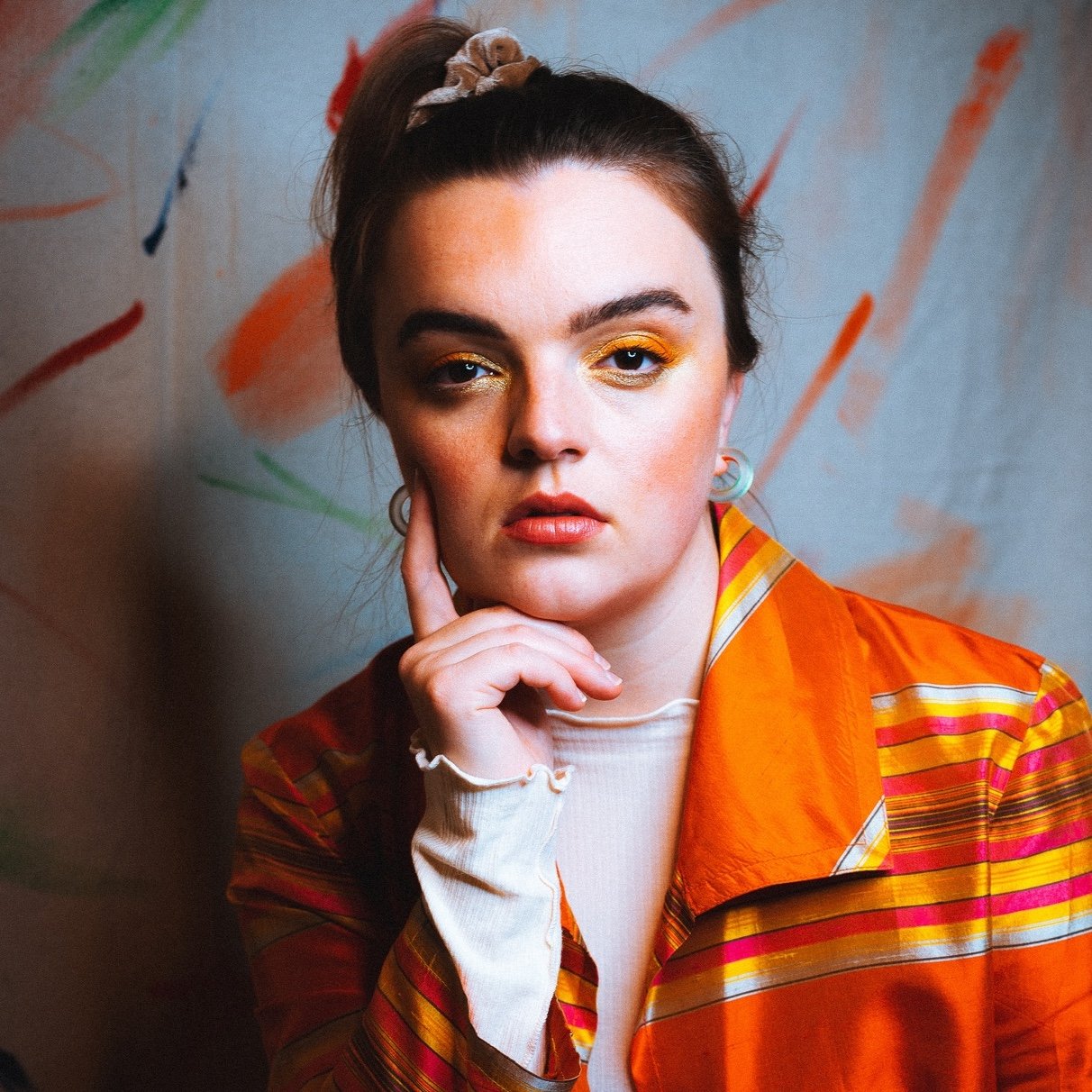
Molly Pease
Molly Pease is a GRAMMY-winning LA-based vocal artist and composer whose singing has been described as “sonically mesmerizing” (LA Weekly) and her genre-defying compositions described as “achingly gorgeous” (New Classic LA). Known for her singular interpretations of music in a range of styles, Molly brings expressiveness and theatricality to every performance. She is well-versed in folk, jazz, classical, opera, experimental, contemporary, and improvisational music. Passionate about interdisciplinary collaboration, she merges music, movement, and visuals in her work; performing in and composing for operas, albums, and concerts.
Molly uses improvisation and extended vocal techniques to achieve an ethereal sound described by Emerging Indie Bands as “not of this world,” and draws listeners in with memorable melodies and textural harmonic soundscapes. She is inspired by nature and speaks honestly about mental health in her music.
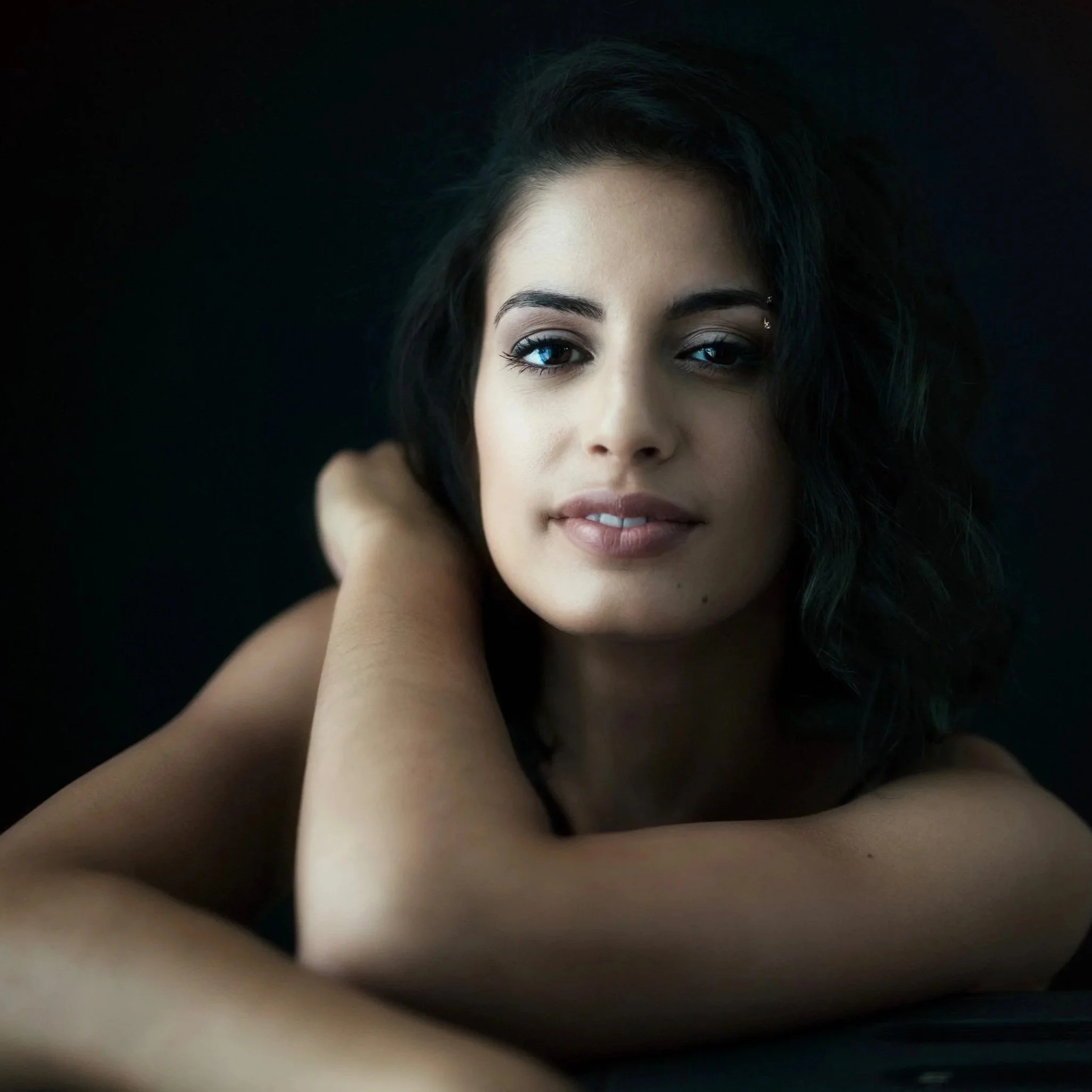
Divya Maus
Divya Maus is a German-Indian award-winning musician whose work spans the spectrum of theatrical, contemporary, and choral music. Her pieces have been performed by renowned artists including Shoshana Bean, the cast of Nickelodeon’s Baby Shark’s Big Show, and mezzo-soprano Geeta Novotny, as well as award-winning ensembles including the L.A. Choral Lab and Colorado’s Ars Nova Singers. She has scored plays for the New York City Children's Theatre, Smith Street Stage, and scored the dance fantasia The Shadow for Los Angeles-based dance-theatre company Mixed eMotion Theatrix. The lead single ‘Salty Water’ from Divya's debut album BIGGER earned her a finalist placement in the Great American Song Contest and led to her opening for the Beach Boys in Los Angeles in 2014.
Divya was an original cast member of Heather Christian's ORATORIO FOR LIVING THINGS (2022 off-Broadway), TERCE: A PRACTICAL BREVIARY (2024), and is a collaborator and musician on the epic immersive theatre trilogy un/tethered created and produced by interdisciplinary dance company Holdtight.